10 Steps to a Relaxing Evening Meditation Routine sets the stage for this enthralling narrative, offering readers a glimpse into a story that is rich in detail and brimming with originality from the outset. Establishing a calming evening meditation routine is key to unlocking mental and physical well-being, and this guide will walk you through the steps to achieve a state of deep relaxation.
As you delve into the intricacies of each step, you’ll discover the importance of mindfulness, breathing exercises, and body scan meditations in creating a holistic relaxation experience. Learn how to prepare your mind and body, choose the right meditation technique, and reflect on your practice to deepen self-awareness. By integrating other relaxation practices like gentle yoga and aromatherapy, you can elevate your meditation routine to new heights of tranquility.
Introduction to Evening Meditation Routine
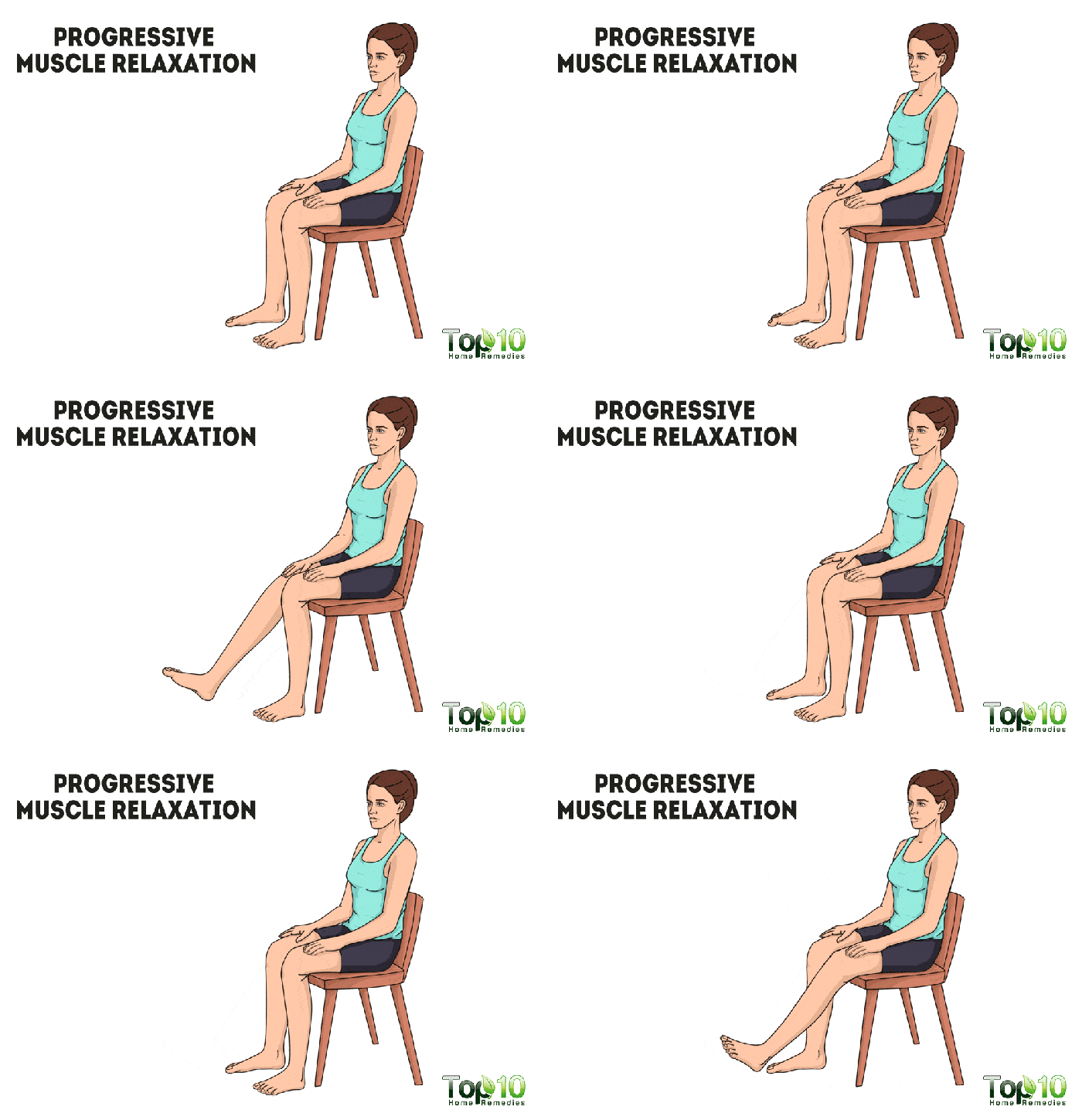
Establishing a relaxing evening meditation routine is crucial for overall well-being and inner peace. Taking the time to unwind and clear your mind before bed can have numerous benefits for both your mental and physical health.
Importance of a Consistent Routine
A consistent evening meditation routine can help reduce stress and anxiety levels, improve sleep quality, and enhance focus and concentration. By setting aside time each day for meditation, you create a sense of calm and relaxation that carries over into other aspects of your life.
Benefits for Mental and Physical Well-being
- Reduces stress and anxiety levels
- Improves sleep quality
- Enhances focus and concentration
- Promotes emotional well-being
Overall Goal of a Meditation Routine for Relaxation
The ultimate goal of an evening meditation routine is to help you unwind, release tension, and prepare your mind and body for a restful night’s sleep. By incorporating meditation into your evening ritual, you can create a sense of peace and tranquility that carries you through the night and into the next day.
Setting the Scene
Creating the ideal setting for your evening meditation session is crucial to help you relax and unwind after a long day. By paying attention to the environment you are in, you can enhance the effectiveness of your meditation practice.
Ideal Setting for Evening Meditation
- Find a quiet and peaceful space where you won’t be disturbed during your meditation session.
- Choose a comfortable cushion or chair to sit on, ensuring that your body is well-supported.
- Consider setting up your meditation space near a window with a view of nature, such as a garden or trees, to help you feel connected to the outdoors.
Creating a Peaceful Environment
- Dim the lights or use candles to create a soft, calming ambiance in the room.
- Play soothing music or nature sounds in the background to help you relax and focus on your breathing.
- Use essential oils or incense with relaxing scents like lavender or chamomile to promote a sense of calmness and tranquility.
The Role of Lighting, Scents, and Sounds
- Soft lighting can help reduce distractions and create a calming atmosphere for your meditation practice.
- Pleasant scents can evoke positive emotions and enhance your overall experience during meditation.
- Soothing sounds like gentle music or nature sounds can drown out external noise and guide you into a state of relaxation.
Preparing Your Body and Mind
Before diving into your evening meditation routine, it’s essential to prepare your body and mind for a calming and rejuvenating experience. By taking the time to unwind and let go of the day’s stress, you can create the ideal environment for deep relaxation and inner peace.
Body Preparation
- Start by engaging in gentle stretching exercises to release tension from your muscles and improve flexibility.
- Practice deep breathing exercises to oxygenate your body and calm your nervous system, promoting a sense of relaxation.
- Consider taking a warm bath or shower to relax your muscles and create a soothing atmosphere for meditation.
- Light some candles or use essential oils to enhance the ambiance and create a serene space for your practice.
Mental Preparation
- Begin by finding a quiet and comfortable place where you can sit or lie down without distractions.
- Take a few moments to focus on your breath, allowing your mind to gradually quiet down and enter a state of mindfulness.
- Practice gratitude by reflecting on the positive moments of your day and letting go of any negative thoughts or emotions.
- Avoid checking your phone or engaging in stimulating activities right before meditation to maintain a sense of calm and focus.
Choosing the Right Meditation Technique
When it comes to establishing a relaxing evening meditation routine, selecting the right technique is crucial. Different types of meditation can be suitable for unwinding at the end of the day, such as mindfulness, guided, and body scan methods. Each offers unique benefits to help you achieve your relaxation goals.
Mindfulness Meditation
Mindfulness meditation involves focusing on the present moment without judgment. This technique can help calm the mind, reduce stress, and promote relaxation. It is perfect for those looking to cultivate a sense of peace and awareness before bedtime.
Guided Meditation
Guided meditation involves listening to a teacher, guide, or recorded audio that leads you through the meditation practice. This method can be beneficial for beginners or individuals who prefer external guidance to help them relax and unwind effectively.
Body Scan Meditation
Body scan meditation involves mentally scanning your body from head to toe, bringing awareness to each body part and any sensations you may be feeling. This technique is excellent for releasing tension, promoting physical relaxation, and preparing the body for a restful night’s sleep.
When selecting a meditation technique for your evening routine, consider your relaxation goals and preferences. Experiment with different methods to see which one resonates best with you and helps you unwind effectively at the end of the day.
Practicing Mindfulness

Practicing mindfulness during meditation is essential for staying present and focused. Mindfulness allows you to be fully aware of your thoughts, feelings, and sensations without judgment or attachment. Here are some tips on how to cultivate mindfulness and awareness during your evening meditation routine.
Techniques to Cultivate Mindfulness
- Awareness of Breath: Focus on your breath as it moves in and out of your body. Notice the sensation of each inhale and exhale, bringing your attention back to your breath whenever your mind starts to wander.
- Body Scan: Start from the top of your head and slowly move your attention down to your toes, noticing any tension or sensations in each part of your body. This practice helps you connect with your physical self and release any pent-up stress or discomfort.
- Noting Thoughts: Instead of getting caught up in your thoughts, try to observe them as if they were passing clouds. Acknowledge each thought without judgment and gently guide your focus back to the present moment.
Benefits of Mindfulness in Relaxation and Stress Reduction
- Reduced Anxiety: Mindfulness meditation has been shown to lower anxiety levels by helping individuals become more aware of their thoughts and emotions, leading to a sense of calm and inner peace.
- Improved Focus: By practicing mindfulness regularly, you can enhance your ability to concentrate on the present moment, which can boost productivity and efficiency in daily tasks.
- Emotional Regulation: Mindfulness allows you to observe your emotions without reacting impulsively, enabling you to respond to challenging situations with greater clarity and composure.
Breathing Exercises
Breathing exercises play a crucial role in a relaxing evening meditation routine. Deep, intentional breathing helps calm the mind, reduce stress, and enhance the overall meditation experience.
Diaphragmatic Breathing
- Find a comfortable seated position with your back straight and shoulders relaxed.
- Place one hand on your chest and the other on your belly.
- Inhale deeply through your nose, feeling your belly rise as you fill your lungs with air.
- Exhale slowly through your mouth, feeling your belly fall as you release the air.
- Repeat this pattern for several breaths, focusing on the sensation of your breath moving in and out of your body.
4-7-8 Breathing Technique
- Inhale quietly through your nose for a count of 4 seconds.
- Hold your breath for a count of 7 seconds.
- Exhale slowly and audibly through your mouth for a count of 8 seconds.
- Repeat this cycle for several minutes, allowing your body to relax with each breath.
Box Breathing Exercise
- Sit comfortably and close your eyes.
- Inhale deeply for a count of 4 seconds.
- Hold your breath for a count of 4 seconds.
- Exhale slowly for a count of 4 seconds.
- Pause for another count of 4 seconds before repeating the cycle.
Body Scan Meditation: 10 Steps To A Relaxing Evening Meditation Routine

Body scan meditation is a mindfulness practice that involves systematically focusing your attention on different parts of your body, from head to toe. This technique helps you become more aware of physical sensations, release tension, and promote relaxation throughout your entire body.
How to Perform Body Scan Meditation
- Find a comfortable seated or lying position where you can relax without distractions.
- Start by bringing your attention to your breath, taking a few deep breaths to center yourself.
- Begin the body scan by focusing on one body part at a time, starting from your toes or the top of your head.
- As you move through each body part, notice any sensations without judgment, tension, or discomfort.
- If you encounter areas of tension or discomfort, breathe into those areas and imagine releasing the tension with each exhale.
- Continue scanning your entire body, bringing your awareness to each part with mindfulness and relaxation.
- Finish the body scan by taking a few deep breaths and noticing how your body feels as a whole.
Connection Between Body Awareness and Relaxation
Body scan meditation helps you develop a deeper connection with your body, enhancing body awareness and promoting relaxation. By scanning each body part with mindfulness, you can release physical tension, reduce stress, and improve overall well-being. This practice allows you to tune into your body’s signals, leading to a greater sense of calm and relaxation in both mind and body.
Time Management
When it comes to incorporating evening meditation into a busy schedule, time management is key. Finding the right balance between work, family, and personal time can be challenging, but with the right strategies, you can create space for a relaxing meditation routine.
Allocating Time for Meditation
- Start by identifying pockets of time in your schedule that you can dedicate to meditation. This could be early in the morning, during lunch break, or before bedtime.
- Consider waking up a few minutes earlier or reducing screen time in the evenings to make room for meditation.
Optimal Duration for Meditation
- While the ideal duration for meditation varies from person to person, aim for at least 10-20 minutes per session to reap the full benefits of relaxation and mindfulness.
- Experiment with different session lengths to find what works best for you and fits seamlessly into your daily routine.
Consistency in Your Routine
- Create a designated meditation space in your home to signal to your brain that it’s time to unwind and focus.
- Set reminders on your phone or calendar to ensure you don’t skip your meditation sessions, especially during busy days.
- Acknowledge that consistency is key to seeing long-term benefits from meditation, so commit to making it a non-negotiable part of your daily routine.
Post-Meditation Reflection
Reflecting on your meditation practice is a crucial step in deepening relaxation and self-awareness. It allows you to gain insights into your thoughts, emotions, and overall well-being, leading to personal growth and inner peace.
Techniques for Post-Meditation Reflection
- Journaling: Take a few minutes after your meditation session to write down your thoughts, feelings, and any insights that arose during the practice. Keeping a meditation journal can help you track your progress and identify patterns in your mind.
- Mental Reflection: If you prefer not to write, you can engage in mental reflection by simply sitting quietly and revisiting the meditation experience in your mind. Pay attention to any sensations, emotions, or thoughts that come up.
Benefits of Reflection, 10 Steps to a Relaxing Evening Meditation Routine
Reflection can deepen relaxation and self-awareness by providing clarity on your inner world. It allows you to process your experiences, release any tension or stress, and cultivate a sense of peace and mindfulness.
Integrating Other Relaxation Practices
As you continue to refine your evening meditation routine, consider incorporating other relaxation practices to enhance your overall experience. By combining different techniques, you can create a more comprehensive and holistic approach to relaxation.
Gentle Yoga
Adding gentle yoga to your meditation routine can help release tension from your body and prepare it for deep relaxation. Simple yoga poses, combined with mindful breathing, can further calm your mind and promote a sense of tranquility.
Aromatherapy
Utilizing aromatherapy during your meditation practice can enhance the soothing atmosphere. Scents like lavender, chamomile, or sandalwood can help promote relaxation and reduce stress. Consider using essential oils or candles to create a calming environment.
Calming Music
Listening to calming music while meditating can deepen your relaxation experience. Choose soft instrumental music or nature sounds to create a peaceful ambiance. Music can help quiet the mind, enhance focus, and elevate your overall sense of well-being.
Final Wrap-Up
Embark on this journey towards a more relaxed evening routine by incorporating these 10 steps into your daily life. Discover the transformative power of meditation and relaxation as you cultivate a sense of peace and well-being in your everyday existence. Let the serenity of an evening meditation routine guide you towards a more balanced and centered life.